In drilling operations, reliability is not a slogan—it is a requirement.
Mud pumps operate under extreme pressures, abrasive fluids, and continuous duty cycles. When a supplier offers a warranty on mud pump parts, it is not a marketing gesture; it reflects how well the supplier understands, controls, and trusts its own products.
However, warranties are often misunderstood. Many buyers are unclear about what a warranty actually covers, when it applies, and why it matters from an operational and procurement standpoint. A clear understanding of warranties helps procurement teams distinguish real value from empty promises.
What a mud pump parts warranty actually covers
Most warranties on mud pump components are limited to manufacturing defects, not normal wear. Coverage typically includes:
- Material defects caused by improper metallurgy
- Machining inaccuracies that affect tolerances or fit
- Assembly faults leading to premature failure under normal operating conditions
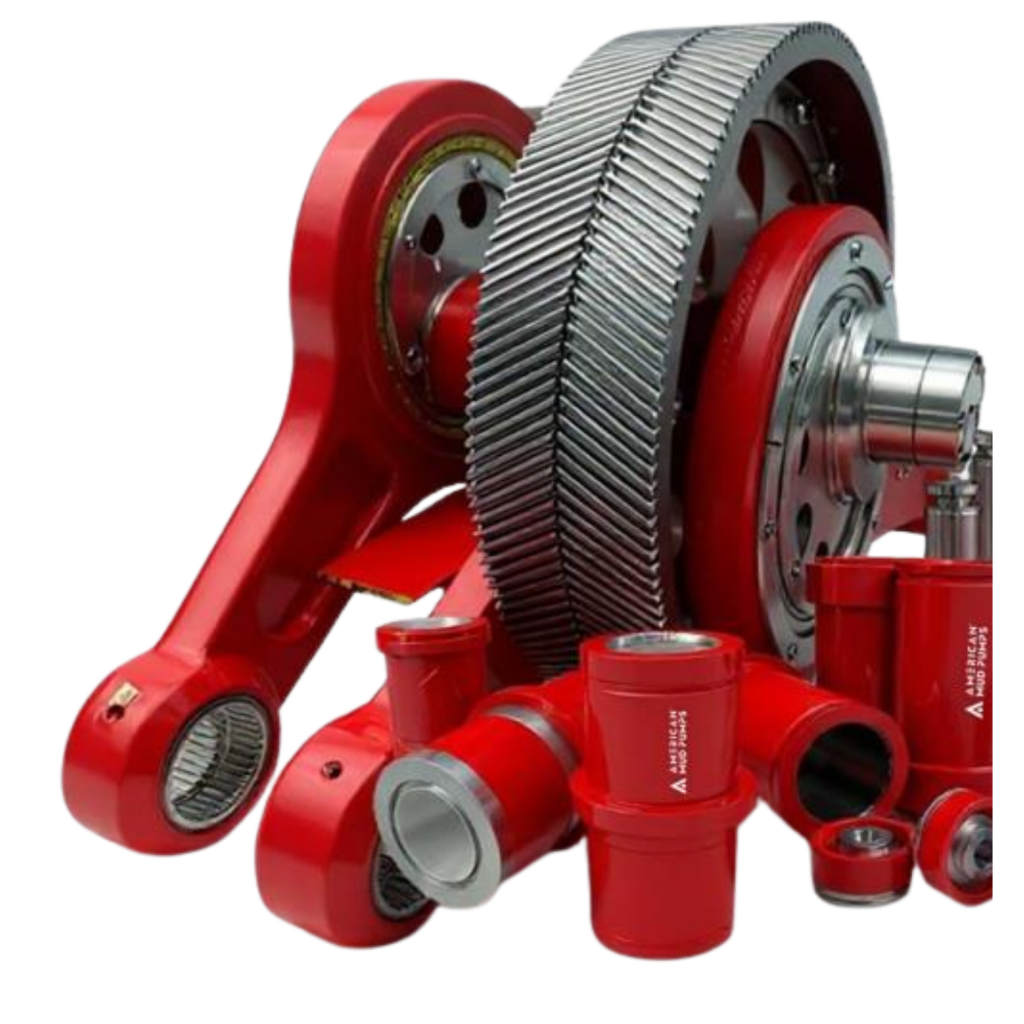
These warranties are designed to protect against issues that should never leave the factory. They do not apply to consumable wear parts such as liners, pistons, or valves operating in abrasive or high-solids environments.
This distinction is critical: wear is driven by application, while defects are driven by manufacturing quality.
Wear and tear: what warranties usually exclude
Normal wear and tear is almost always excluded from warranty coverage. High pressures, corrosive fluids, inadequate solids control, or extended duty cycles will naturally reduce component life.
A serious supplier explains these limitations clearly rather than hiding exclusions in fine print. When a part fails due to operating conditions outside its design limits, it is not a warranty issue—it is a selection or application issue.
What typically voids a warranty
Even the strongest warranties come with conditions. Common causes for warranty invalidation include:
- Improper installation or misalignment
- Operation beyond rated pressure, temperature, or speed
- Mixing incompatible components or materials
- Insufficient maintenance or inspection
Clear documentation and traceability are essential. Suppliers confident in their manufacturing process define these limits precisely and communicate them transparently.
Why warranties reflect manufacturing confidence
A warranty ultimately reflects confidence in metallurgy, heat treatment, machining accuracy, and quality control. Suppliers who manage these processes effectively understand their failure modes, track field performance, and can stand behind their products.
By contrast, suppliers who avoid warranty discussions often transfer all operational risk to the buyer.
In drilling operations, downtime is costly. While a well-defined mud pump parts warranty does not eliminate risk, it clearly indicates which suppliers are willing to share responsibility when quality truly matters.