Oilfield Equipment
Reliable Oilfield Equipment for
Efficient Operations
Oilfield equipment engineered for reliability and performance, supporting safe, efficient operations across drilling, production, and maintenance environments.
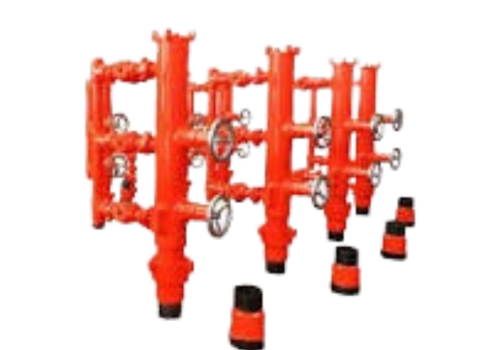
Cementing Head
A critical well-control tool used to safely and efficiently pump cement into the casing during cementing operations, ensuring proper well integrity and zonal isolation.
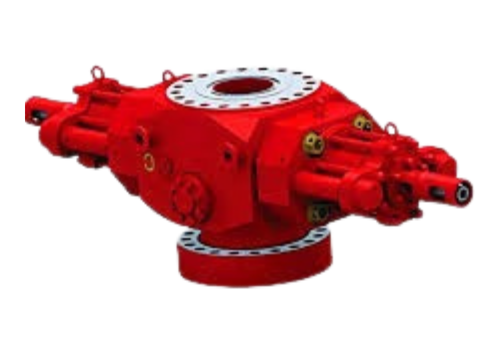
Blowout Preventer (BOP)
A critical safety system designed to control well pressure and prevent uncontrolled releases during drilling operations, ensuring safe and reliable well control.
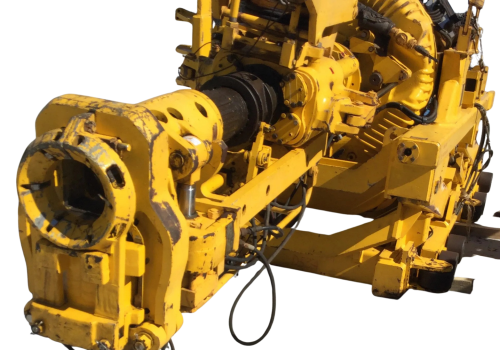
Top Drive
A critical drilling system that delivers continuous rotary power, improving drilling efficiency, control, and overall operational reliability.
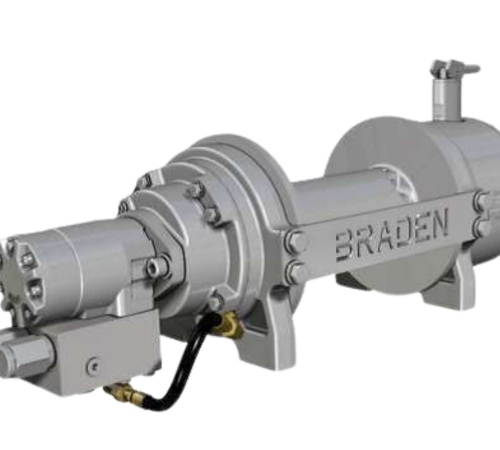
Winch
PACCAR markets Braden, Cargo, and Gearmatic winches, known for their strength, reliability, and high performance across transport, construction, and oil & gas applications.
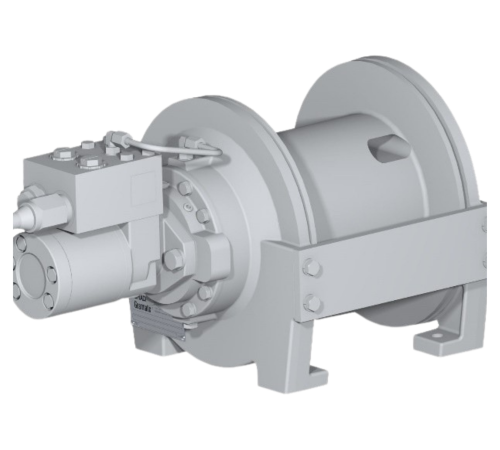
Winch
PACCAR markets Braden, Cargo, and Gearmatic winches, known for their strength, reliability, and high performance across transport, construction, and oil & gas applications.
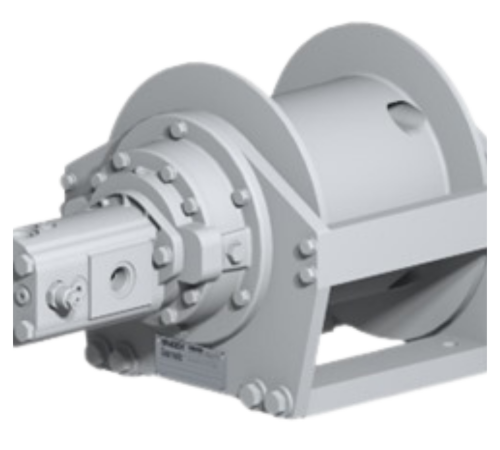
Winch
PACCAR markets Braden, Cargo, and Gearmatic winches, known for their strength, reliability, and high performance across transport, construction, and oil & gas applications.
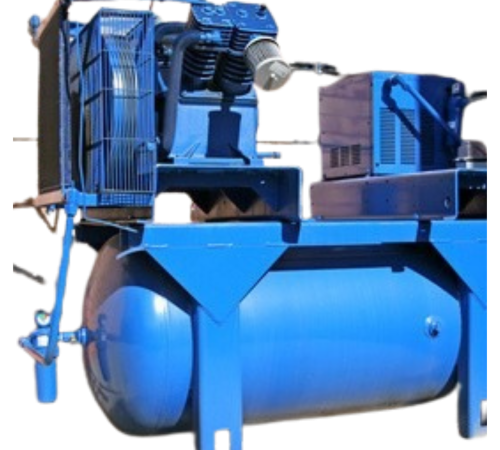
Piston Air Compressor
A robust compressor capable of producing high pressure, commonly used in workshops, construction sites, and various industrial tasks.
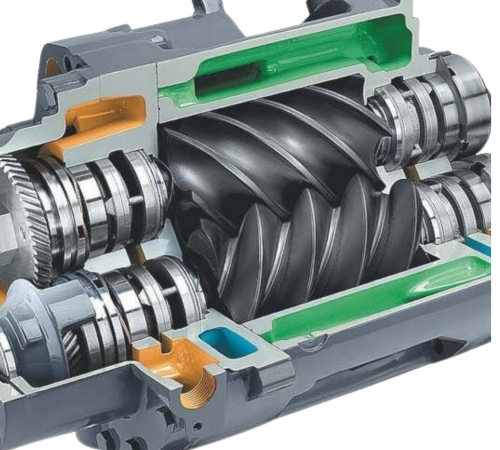
Screw Air Compressor
High-efficiency compressor that provides a continuous and reliable airflow, ideal for industrial applications requiring stable performance.
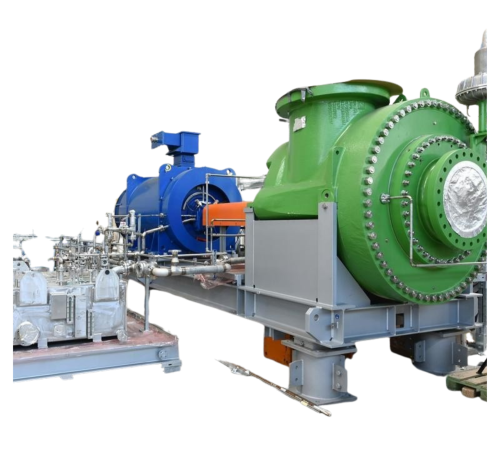
Centrifugal Compressor
Designed for large industrial installations, delivering high airflow capacity and excellent energy efficiency for heavy-duty operations.
Special Alloy Pipes
Advanced alloy pipes engineered to withstand extreme temperatures, pressure, and aggressive industrial environments.
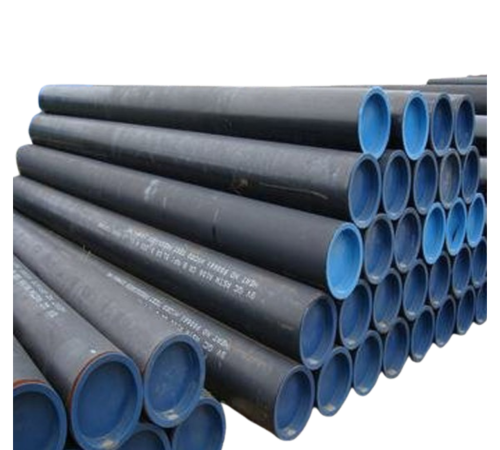
Carbon Steel Pipes
High-strength pipes commonly used in industrial piping systems, suitable for high-pressure and heavy-duty applications.
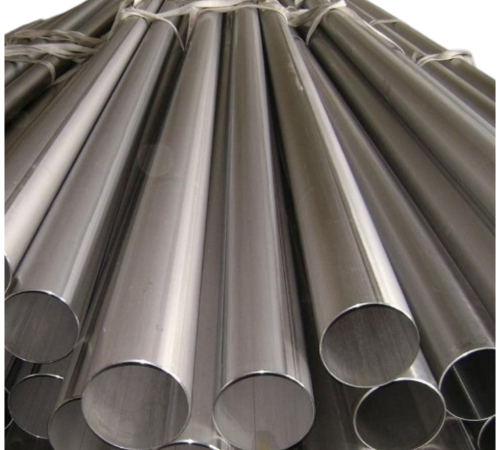
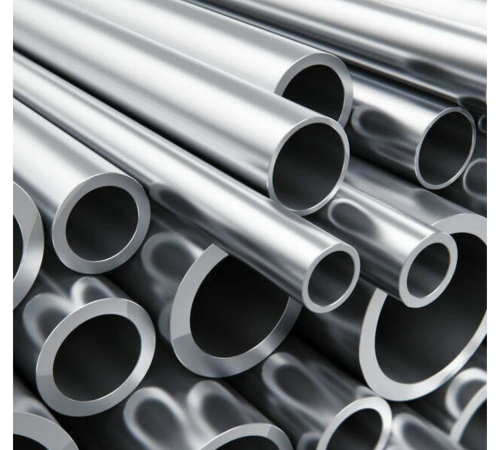
Stainless Steel Pipes
Corrosion-resistant pipes designed for chemical, oil, and gas industries, ensuring durability and reliability in harsh environments.
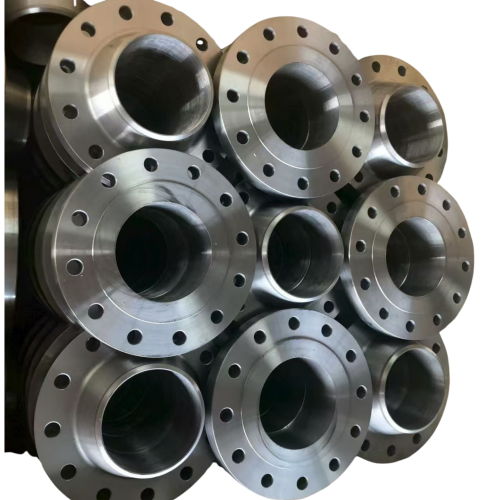
Flange
A round mechanical connector used to join pipes, valves, or equipment using bolts. It ensures a strong, leak-proof connection and allows easy assembly and disassembly for maintenance.
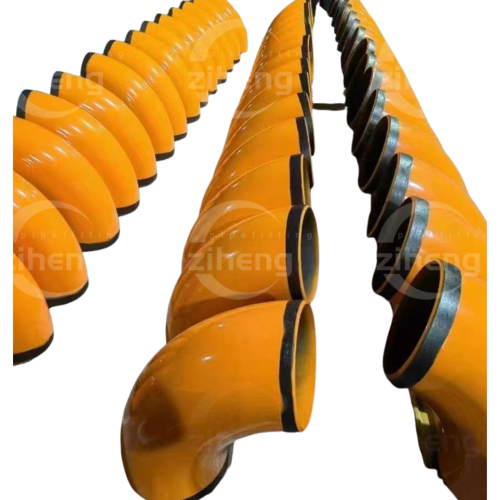
Elbow
A fitting used to change the direction of a pipeline, commonly at angles like 45° or 90°. It helps route the flow where needed.
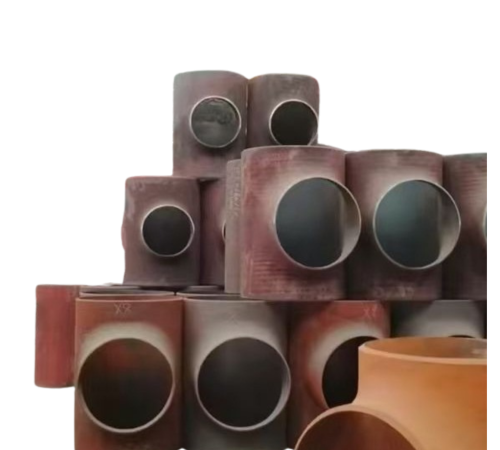
Tee (T-fitting)
A fitting shaped like the letter “T” used to split or combine flow in a piping system, creating a branch line from the main pipe.
Industrial Valves
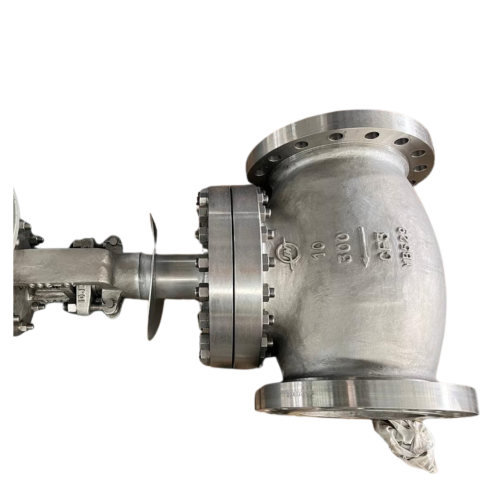
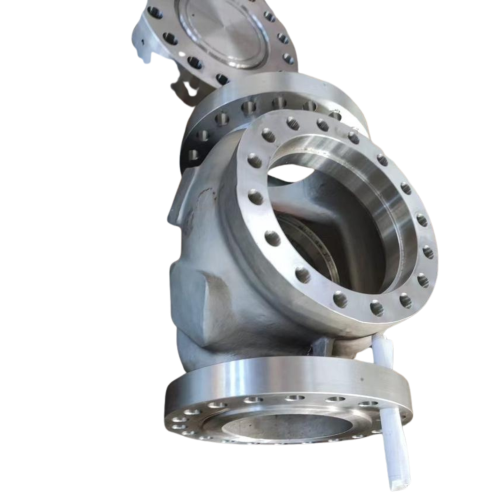
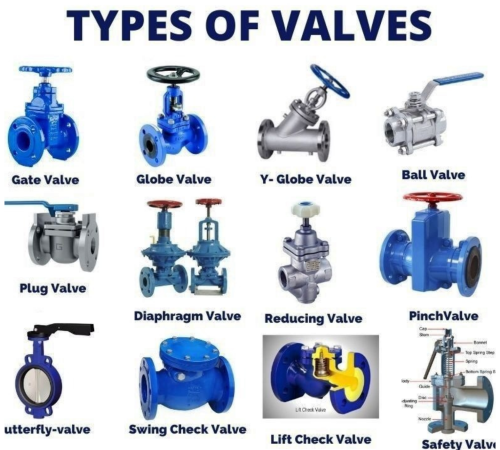
Industrial valves certified to API Standards and ANSI Standards for safe and precise fluid control. Includes gate, globe, ball, butterfly, check, safety, deluge, and control valves, designed for high pressure and temperature in production, transport, and refining industries.
Industrial Valves
Industrial valves certified to API Standards and ANSI Standards for safe and precise fluid control. Includes gate, globe, ball, butterfly, check, safety, deluge, and control valves, designed for high pressure and temperature in production, transport, and refining industries.
Industrial Valves
Industrial valves certified to API Standards and ANSI Standards for safe and precise fluid control. Includes gate, globe, ball, butterfly, check, safety, deluge, and control valves, designed for high pressure and temperature in production, transport, and refining industries.
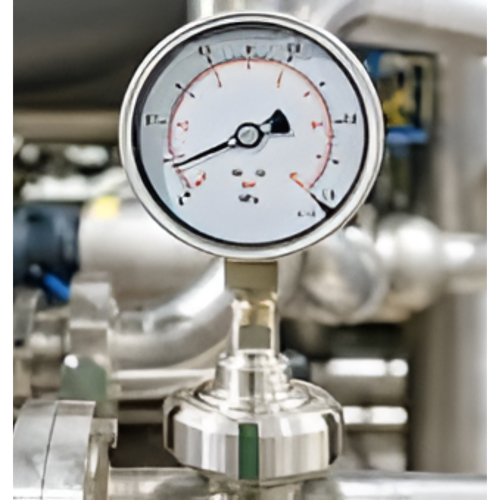
Pressure Gauges
Pressure measuring devices used to monitor and control the pressure of gases or liquids in industrial systems.
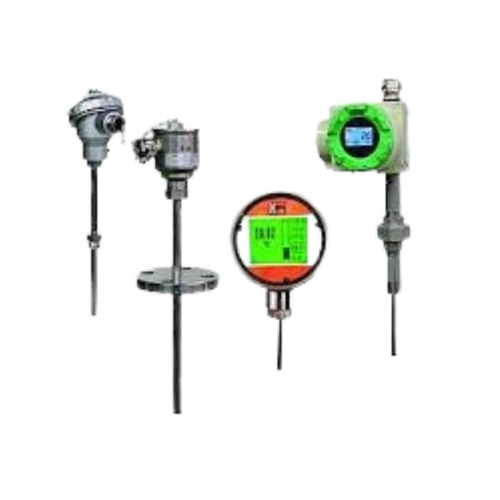
Sensors
Devices used to detect and measure physical parameters such as temperature, pressure, or position, providing data for monitoring and control systems.
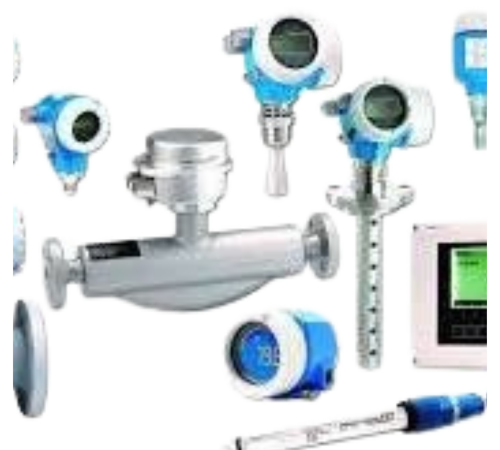
Flow Meters
Instruments designed to measure the flow rate of liquids or gases in pipelines, ensuring accurate monitoring of industrial processes.
Inert Anode (MMO Anode)
A durable anode made from materials like Mixed Metal Oxide (MMO). It is used in ICCP systems and does not corrode easily, providing long-term protection with an external power source.
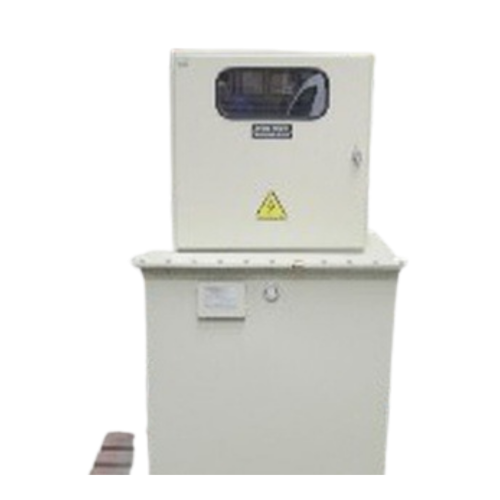
Rectifier
An electrical device that converts alternating current (AC) into direct current (DC). It supplies the necessary current for impressed current cathodic protection (ICCP) systems.
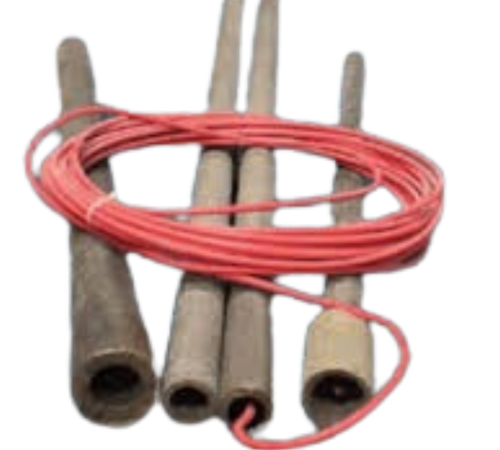
Sacrificial Anode
Metal rods (usually magnesium, zinc, or aluminum) used in cathodic protection systems. They corrode instead of the protected structure (like pipelines or tanks), preventing rust and extending the structure’s life.
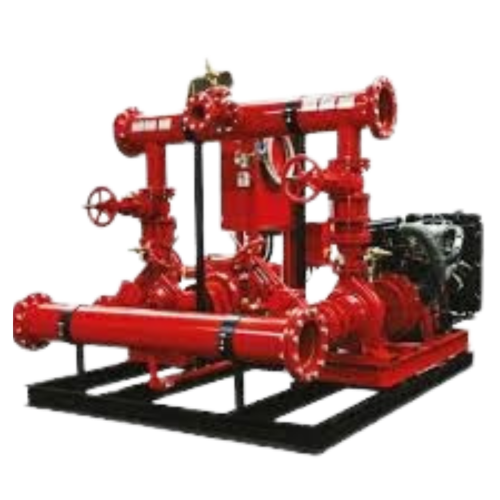
Fire Pump
A pump unit designed to increase water pressure in fire protection systems (such as sprinklers and hydrants), ensuring adequate flow during firefighting operations.
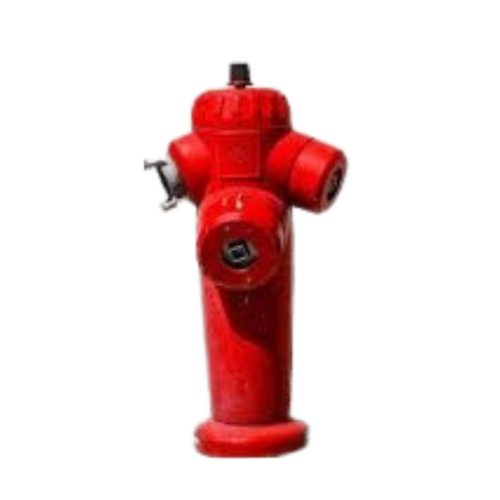
Fire Hydrant
A water outlet connected to a main supply, used by firefighters to access high-pressure water quickly during a fire emergency.
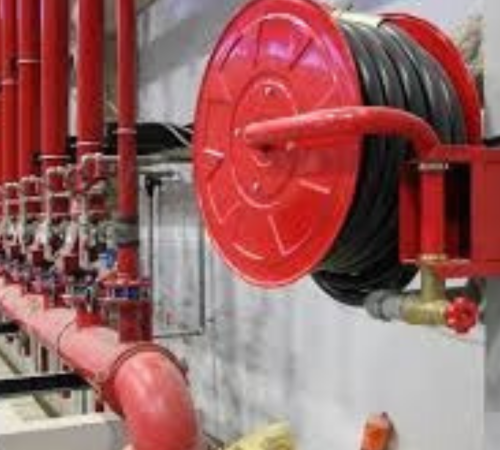
Fire Hose Reel
A mounted reel with a hose that provides a controlled and immediate supply of water to fight small fires, commonly installed inside buildings.
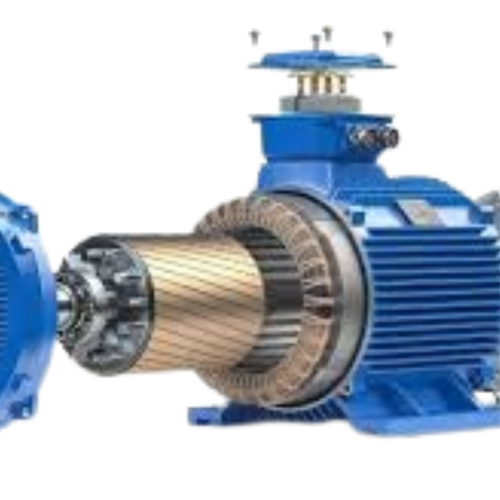
Industrial Electric Motor
Converts electrical energy into mechanical motion using electromagnetic fields. The image highlights the rotor (rotating part). Widely used in industrial machines and production systems.
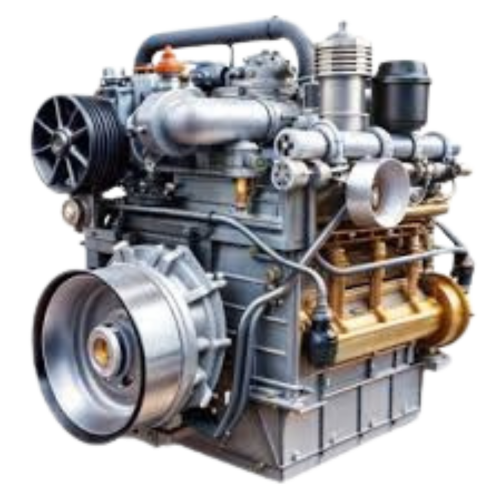
Industrial Electric Motor
Generates mechanical power by burning fuel (diesel or gasoline) inside cylinders. Commonly used in vehicles and heavy machinery. Known for high power and independence from electricity.
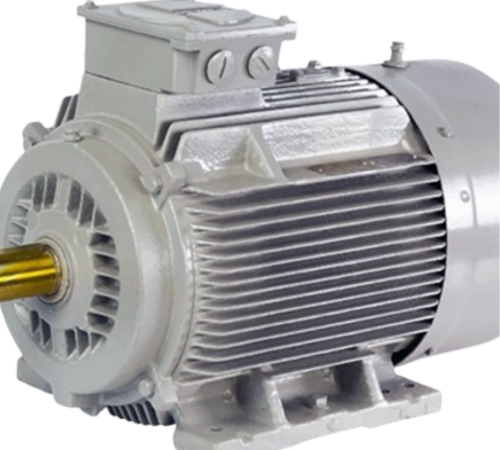
Induction Motor
A very common AC electric motor that operates through electromagnetic induction. It is robust, reliable, and requires low maintenance. Used in pumps, fans, and industrial equipment.
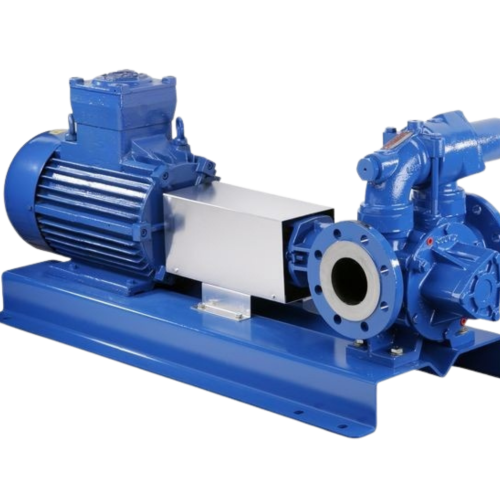
Positive Displacement Pump
A positive displacement pump moves fluid by trapping a fixed volume and forcing it through the system, ensuring precise and consistent flow. It is commonly used for oils, chemicals, and other viscous fluids in industrial processes. It is placed second because it represents a more advanced and controlled pumping method.
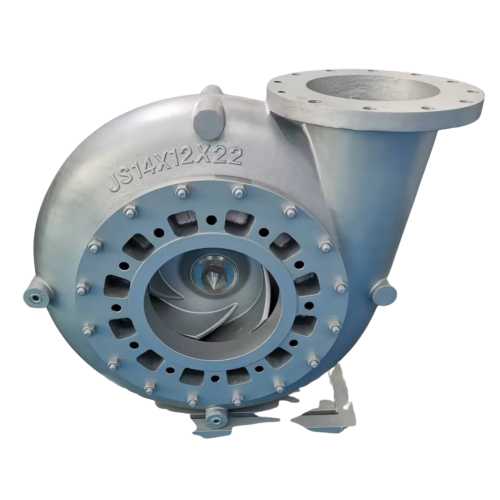
Centrifugal Pump
A centrifugal pump uses rotational energy to move fluid through the system by converting velocity into flow. It is widely used in water supply, oil transfer, and general industrial applications. It is placed first because it is the most common and easiest type to understand.
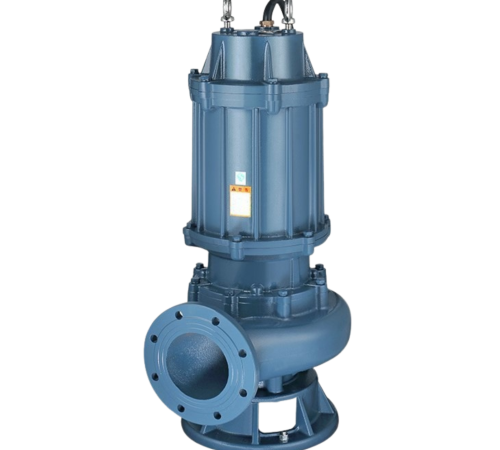
Submersible Pump
A submersible pump operates while fully submerged in the fluid, pushing liquid to the surface efficiently. It is used in wells, wastewater systems, and drainage applications. It is placed last because it represents a specialized solution designed for specific operating conditions.
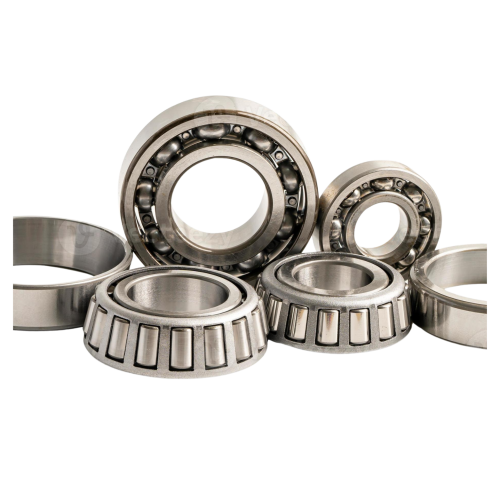
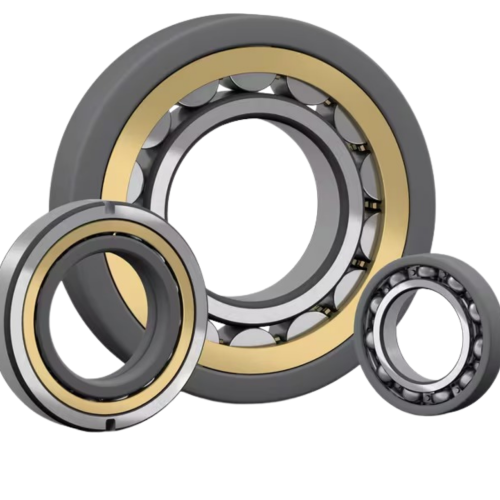
Roller Bearing
A roller bearing uses cylindrical or tapered rollers to support heavy loads and reduce friction in rotating systems. It is commonly used in automotive, heavy machinery, and industrial equipment. It is placed first because it represents strong load-bearing solutions for demanding applications.
Ball Bearing
A ball bearing uses spherical balls to reduce rotational friction and support both radial and axial loads. It is widely used in electric motors, pumps, and general machinery. It is placed second because it is the most versatile and commonly used bearing type.
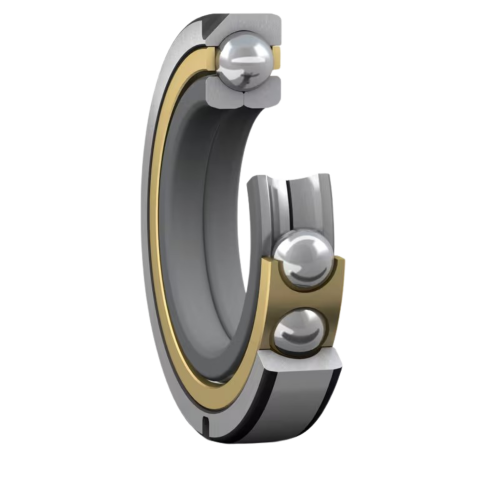
Angular Contact Ball Bearing
An angular contact ball bearing is designed to handle combined radial and axial loads with high precision and speed. It is used in high-performance machinery, turbines, and precision equipment. It is placed last because it represents a more specialized and high-precision application.